
Have you ever looked at your outfit in the mirror and felt that something was not quite right? Maybe your clothes looked too casual for dinner, your shoes did not suit the place you were visiting, or your outfit felt uncomfortable for the weather. Sometimes, the problem is not the clothes themselves. It is how well they match the occasion.
Learning how to dress appropriately does not mean following strict fashion rules or buying an entirely new wardrobe. It means choosing the right combination of clothing, shoes, and accessories for the activity you have planned. From beach outings and office days to coffee dates and dinner evenings, a few thoughtful styling changes can make your outfit feel more natural, comfortable, and polished.
1. Wearing the Wrong Outfit for a Beach Day
A beach day is usually about relaxing, walking along the shore, and enjoying the sunshine. Heavy denim, thick sweaters, formal dresses, and uncomfortable high heels can make the experience less enjoyable. Thin heels are particularly impractical on sand, while heavy fabrics may feel too warm in sunny weather.
Instead, choose a lightweight sundress, a breathable linen outfit, or cotton shorts with a simple sleeveless top. Flat sandals, sunglasses, and a roomy straw tote create a relaxed summer look without making it feel unfinished. If you plan to walk a lot, prioritize sandals that fit securely and feel comfortable.

2. Wearing Overly Casual Clothes to the Office
Clothes that feel perfect for lounging at home may not always work for a professional meeting. Graphic T-shirts, heavily ripped jeans, stretched-out sweatpants, and worn sneakers can look too casual in workplaces with a business-casual dress code.
A simple way to look more polished is to combine tailored trousers with a blouse or fitted knit top. A well-fitting blazer adds structure, while loafers or understated flats help complete the outfit. If your workplace allows jeans, dark straight-leg denim paired with a neat shirt can also look professional.
The secret is balance. Your outfit does not need to be expensive or overly formal; it simply needs to look intentional and suit your workplace.

3. Dressing Too Formally for a Casual Outing
A floor-length evening gown, sparkling jewelry, and high heels may be perfect for a formal celebration, but they can feel out of place during a casual coffee date, shopping trip, or afternoon walk. Dressing too formally for an everyday activity can also make it harder to move comfortably.
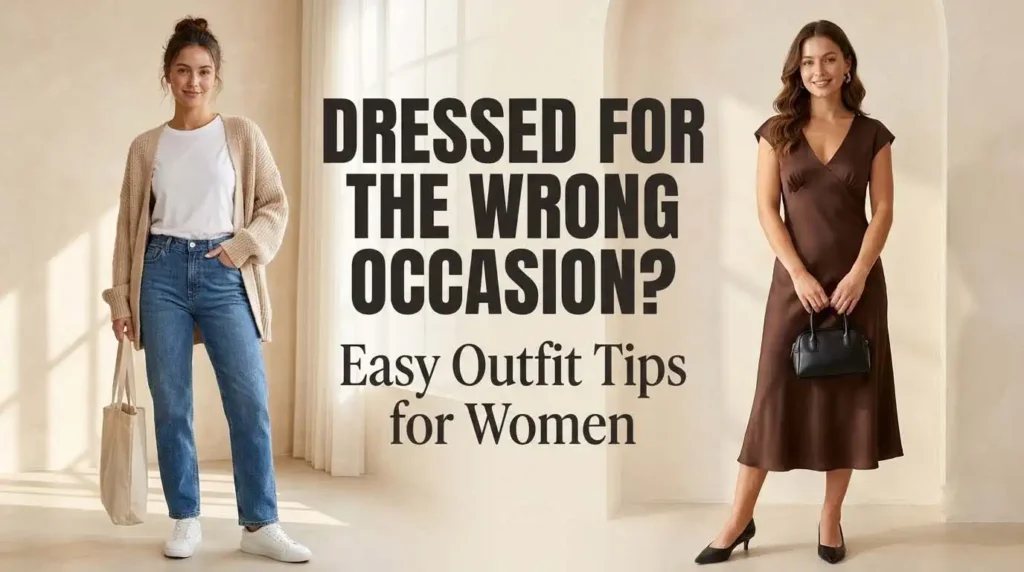
For an easy casual look, try straight-leg blue jeans with a fitted white top, a lightweight cardigan, and clean white sneakers. A small shoulder bag adds a finished touch without making the outfit look overly dressed up. If you prefer dresses, a simple cotton or knit dress with flat sandals can work just as well.
Think about the atmosphere of the place you are visiting. The goal is not to dress down every outfit, but to choose a look that feels appropriate for the activity while still reflecting your personal style.

4. Choosing the Wrong Outfit for a Dinner Date
A dinner date does not always require a glamorous dress, but old gym clothes, stretched-out sweatpants, or worn-out sneakers may not suit a restaurant with a smart-casual atmosphere. The right outfit depends on the venue, the time of day, and the kind of experience you are planning.
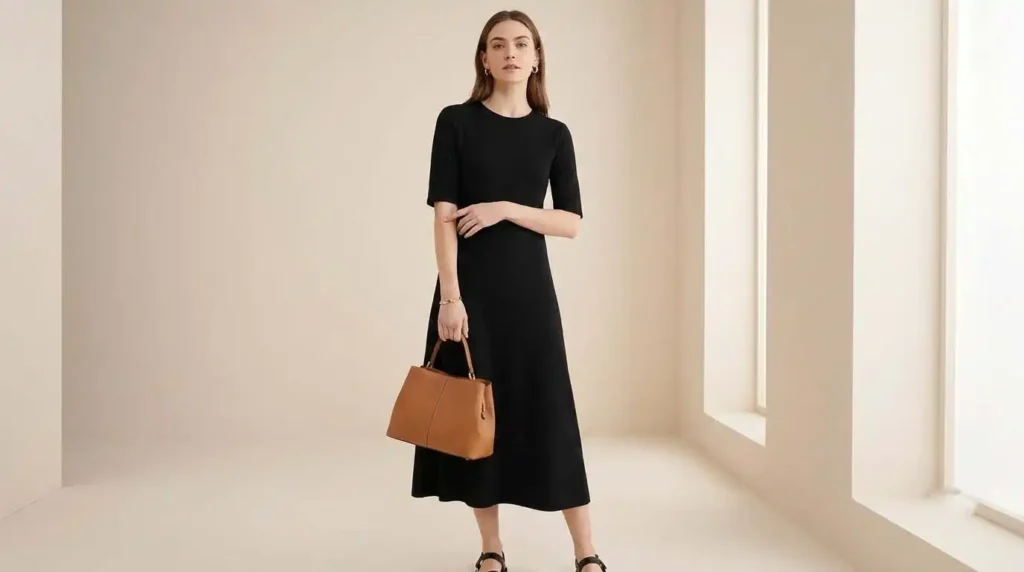
For an easy dinner-date look, try a black or chocolate-brown midi dress with simple flats or low heels. Small earrings and a neat handbag add a finished touch without making the outfit feel overdone. If you prefer separates, dark jeans, a fitted top, and a tailored jacket can also work beautifully.
For an upscale restaurant, you can make the look more formal with elegant shoes and refined accessories. For a casual restaurant, keep the outfit simple and comfortable.
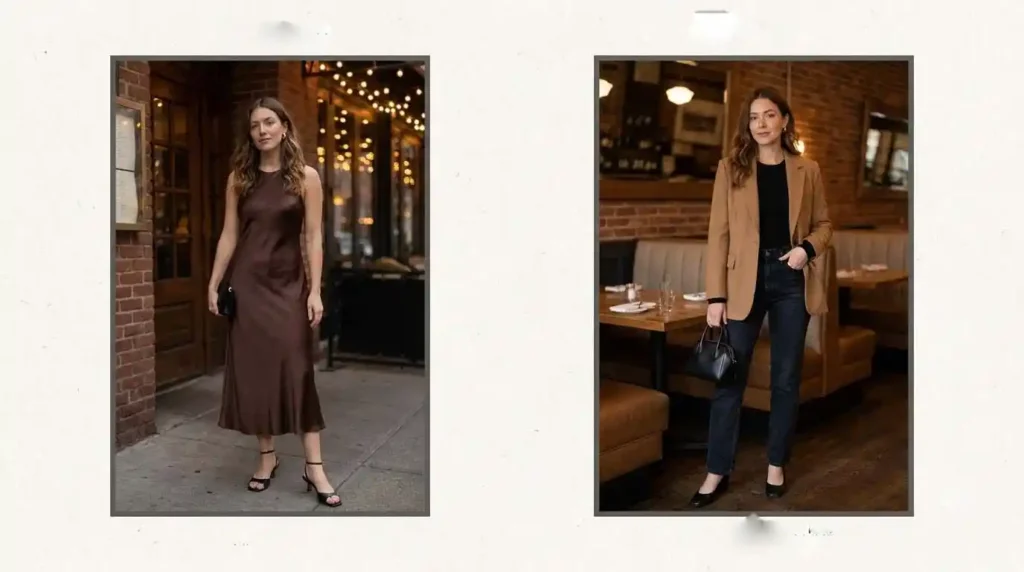
A versatile piece worth considering: A simple midi dress can be styled with flat sandals for a relaxed occasion or with elegant shoes and jewelry for dinner.
Product recommendation: Shop women’s midi dresses on Amazon
5. Ignoring the Weather When Planning an Outfit
Even a beautiful outfit can feel wrong when it does not match the weather. A thin summer dress may leave you cold during an autumn evening, while a thick sweater and heavy boots can feel uncomfortable on a warm afternoon.
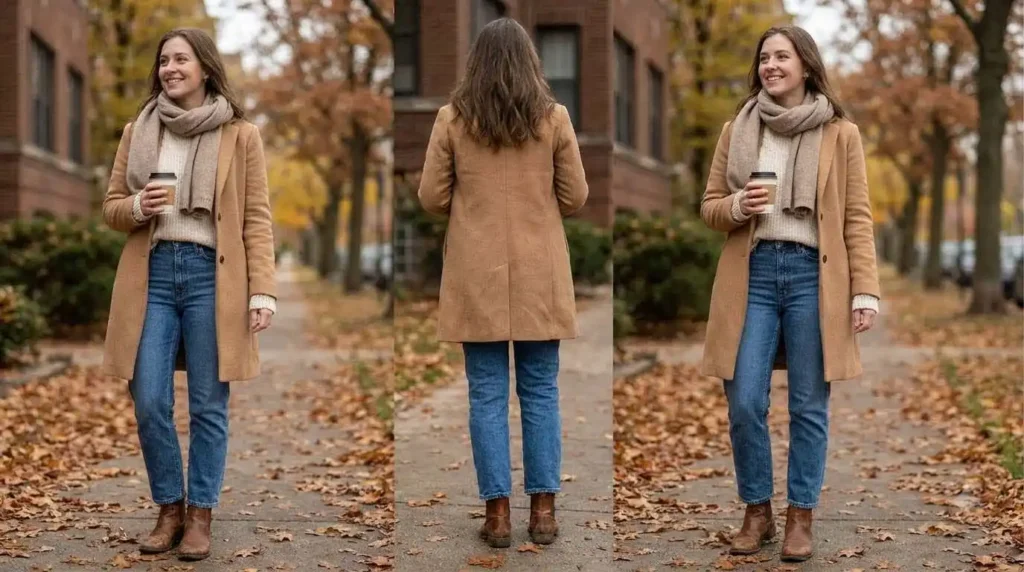
For cooler days, layer a knit sweater or coat over your outfit and add jeans or trousers with suitable footwear. When the weather is warm, breathable cotton and linen can help you feel more comfortable. If temperatures change throughout the day, lightweight layers are useful because you can remove or add them as needed.
You can also make practical accessories part of your style. A scarf adds warmth when the temperature drops, while sunglasses can be useful on sunny days. A little planning helps your outfit look appropriate without sacrificing comfort.
6. Choosing Shoes That Do Not Suit the Occasion
Shoes can completely change how an outfit looks and feels. Thin high heels may be impractical for a long walk, while bulky running shoes may not complement a polished dinner outfit. The right footwear should work with both your clothes and the activity.
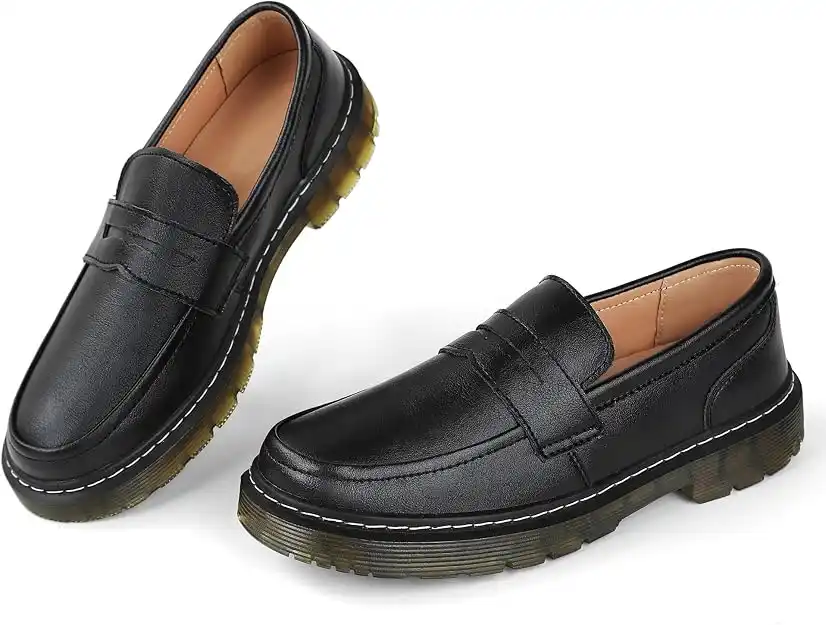
For everyday walking and shopping, clean sneakers or comfortable flats are useful choices. For a beach outing, simple flat sandals are often more practical than narrow heels. For the office, loafers or understated flats can create a polished appearance. For dinner, low heels or dressy flats can complement a midi dress or tailored trousers.
Comfort matters just as much as appearance. Before leaving home, consider how far you will walk, what type of surface you will be on, and how long you will wear the shoes.
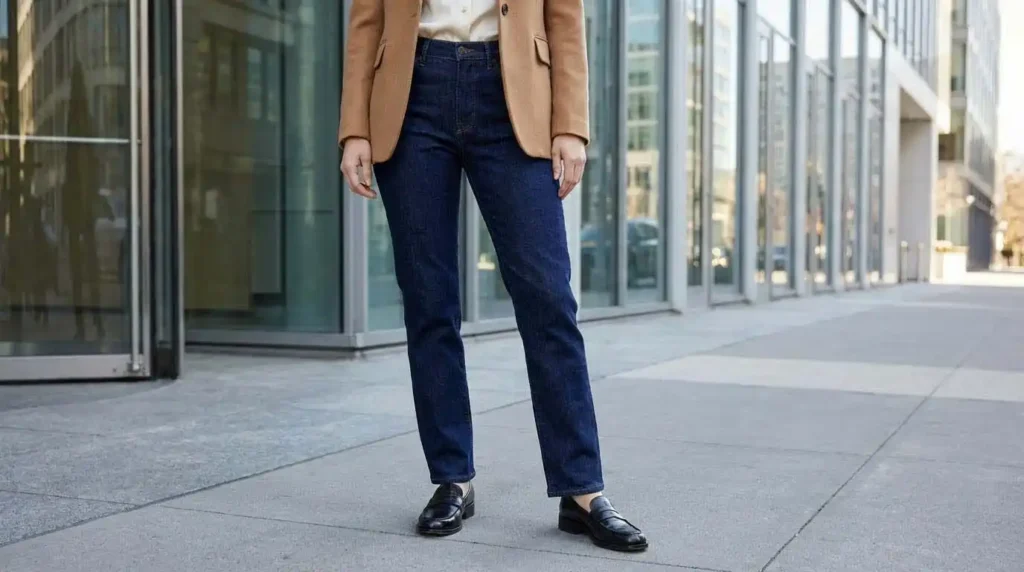
Product recommendation: If you need versatile footwear for work and everyday smart-casual outfits, consider a pair of classic loafers with a comfortable fit.
Shop women’s classic loafers on Amazon
7. Wearing Too Many Accessories at Once
Accessories can make a simple outfit look more personal, but too many statement pieces can compete for attention. Large earrings, a chunky necklace, several bold bracelets, a decorated belt, and an oversized handbag may make an outfit feel cluttered when worn together.
A more balanced approach is to choose one focal accessory and let the others support it. For example, small gold hoops and a structured handbag can complement a simple black dress. If your outfit already has a bold print, understated jewelry may work better than several statement pieces.
You do not need to remove every accessory to look polished. Instead, choose items that complement the colors, proportions, and overall mood of your outfit.
8. Following a Trend Without Considering the Occasion
A fashionable outfit can look amazing in a social media photo but may not suit every event. A dramatic party dress might be perfect for a night out but feel excessive at a daytime family lunch. Similarly, statement footwear or highly embellished clothing may not be practical for an activity that involves lots of walking.
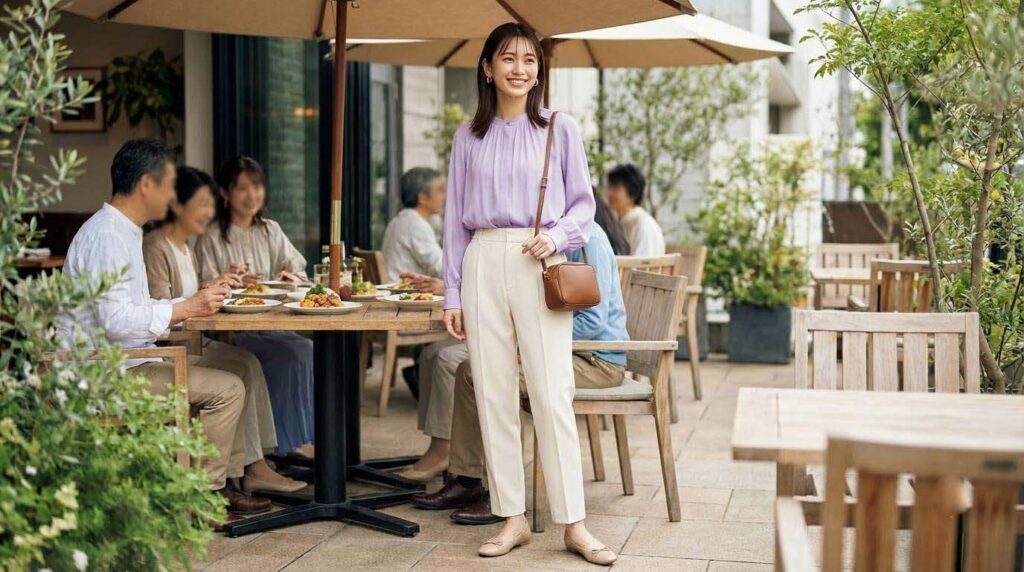
Instead of copying a trend from head to toe, adapt one element to the occasion. You could wear a trendy-colored blouse with classic trousers, add a fashionable jacket to simple jeans, or use a modern handbag to update a basic dress.
This approach lets you experiment with current styles while keeping your outfit comfortable and appropriate. Personal style is not about wearing every trend; it is about choosing the trends that work for your life.
A Quick Checklist Before You Leave Home
Before heading out, ask yourself these five questions:
- Does my outfit suit the occasion? Consider whether you are going to work, the beach, a casual outing, or dinner.
- Are my shoes appropriate? Think about comfort, walking distance, and the location.
- Does my outfit suit the weather? Add layers when needed and choose breathable fabrics in warm conditions.
- Do my accessories work together? A few thoughtful details can be more effective than too many statement pieces.
- Do I feel comfortable and confident? Your outfit should let you enjoy the occasion without constant adjustments.
These simple questions can help you avoid common styling mistakes without making getting dressed complicated.

Final Thoughts
Avoiding the wrong outfit for an occasion is less about strict fashion rules and more about understanding the setting, choosing practical footwear, and combining clothes thoughtfully. A lightweight dress and flat sandals work well for a beach outing, tailored trousers and a blazer can create a polished office look, and a midi dress or smart-casual separates can be ideal for dinner.
Start with versatile pieces you already own, then add only the items that fill a genuine gap in your wardrobe. When your clothes suit the occasion and feel comfortable, it becomes easier to enjoy the moment and feel confident in your personal style.